If you’ve walked through a newly built boutique hotel, a sleek co-working space, or a modern residential condo lately, you’ve probably noticed a quiet shift in how designers approach vinyl wallcoverings. Once written off as the budget option—thick, plasticky, and limited to generic geometric prints or predictable wood grain—vinyl has evolved into a versatile, high-performance material that deserves a spot in contemporary design spaces. As a vinyl wallcovering supplier who’s worked with designers, contractors, and even DIY homeowners over the past decade, I’ve seen firsthand that the gap between “dated vinyl” and “modern wall art” is smaller than you think. The trick isn’t to replace vinyl entirely with pricier materials; it’s to adapt how you install, specify, and style it to fit today’s minimalist, sustainable, and design-forward trends. Vinyl Wallcovering
Let’s start with the biggest myth holding vinyl back: that it’s inherently unmodern. Traditional vinyl used to rely heavily on phthalates (chemical plasticizers that soften the material but break down over time, causing off-gassing and a stiff, unyielding feel) and low-resolution printing that looked flat or faded within a few years. Today, modern vinyl formulations eliminate almost all phthalates, meet indoor air quality standards like GREENGUARD Gold, and use digital printing tech that can produce high-detail gradients, photo-realistic textures, and even custom patterns with precision. But even with better materials, vinyl can still feel out of place if it’s installed or styled like a 1990s kitchen backsplash. Here’s how to elevate it for contemporary spaces, based on what our clients keep asking for—and what’s been working in design projects across North America and Europe.
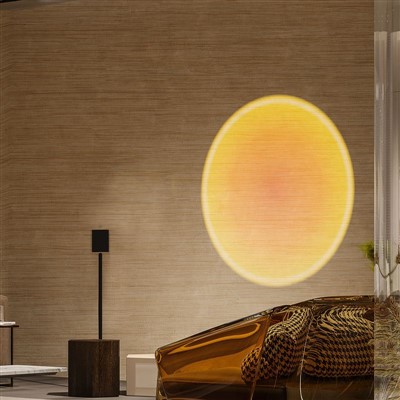
First, embrace matte finishes and understated textures over glossy, flashy details. For years, vinyl brands pushed high-gloss and semi-gloss options, thinking they masked imperfections and made rooms feel bigger. But contemporary design values calm, depth, and tactility—things glossy finishes often lack. Matte vinyl wallcoverings don’t reflect harsh overhead lights, which makes walls feel soft and intentional, not sterile. We’ve seen a huge uptick in demand for matte finishes that mimic real, high-end materials: think a matte linen weave vinyl that looks like high-end woven wallpaper, or a matte concrete vinyl that matches the rough, imperfect patina of polished concrete without the weight or cost of tiling. The key here is to avoid overly uniform textures. A subtle, organic variation—like tiny, natural-looking speckles, faint brush strokes, or slight shifts in weave pattern—adds visual interest without feeling busy, which is perfect for open-concept spaces where walls need to act as a neutral backdrop, not a distraction.
Next, rethink installation. The biggest complaint about vinyl, from both designers and homeowners, is that it can look generic if it’s installed incorrectly. Contemporary vinyl installation is all about precision and minimal seams, a practice we call “seamless wallcovering” that’s far different from hanging standard rolls. Most traditional vinyl rolls are 27 or 54 inches wide, which means for a wall that’s 10 feet wide (or 120 inches), you’ll need two or three strips that meet in the middle. Seam lines are the first thing that dates a wallcovering—they create visual breaks, pull focus, and if not aligned perfectly, look messy. Modern suppliers, including our team, offer wide-format vinyl that comes in rolls up to 120 inches wide, meaning it can cover a standard wall in one single strip, eliminating seam lines entirely. That’s a game-changer for contemporary spaces, where clean, unbroken surfaces are king. We also recommend using flat adhesive instead of the pasted or peel-and-stick options common for DIY projects. Flat adhesive creates a seamless, bubble-free bond that adheres the vinyl to the wall completely, so it looks like a permanent, built-in feature, not a temporary sticker. For larger projects, we work with professional installers who specialize in wide-format vinyl—they know how to handle the large rolls without creasing or stretching, which is critical for maintaining that sleek, modern look.
Then, think custom and context-specific. Contemporary design is all about personalization, not one-size-fits-all rolls. Generic vinyl prints get overlooked because they feel mass-produced, but custom vinyl wallcoverings allow you to tailor the material to the exact space and brand aesthetic. For example, a co-working space might feature a vinyl wallcovering printed with a muted, oversized map of the city, with subtle lines that reference the space’s floor plan—something that ties the space together without feeling cluttered. A residential living room could use a custom, subtle gradient vinyl that shifts from soft gray to warm beige, matching the room’s furniture and lighting. The best part about vinyl is that custom prints don’t cost nearly as much as custom paint or murals. Unlike paint, which requires multiple coats and touch-ups, vinyl is a permanent installation that resists scuffs, stains, and fading, so a custom vinyl wallcovering works for 10+ years without needing updates. We also work with clients to create custom textures, not just custom prints—for example, a soft velvet emboss on vinyl that’s perfect for a hotel lobby, or a textured faux leather for a modern retail space. The key to custom vinyl for contemporary spaces is to keep it restrained. Don’t overcrowd a wall with a busy print; use custom designs to highlight key areas, like accent walls or behind a dining table, rather than covering every surface.
Sustainability is another non-negotiable for contemporary design, and vinyl has come a long way in this area. For years, vinyl was criticized for being non-recyclable and relying on fossil fuels, but modern vinyl formulations are much more eco-friendly. We now offer 100% recyclable vinyl wallcoverings that use 30% post-consumer recycled plastic (think reclaimed water bottles and plastic packaging) as part of their base material, and are manufactured using solar-powered facilities. They also meet strict low-VOC (volatile organic compound) standards, so they don’t off-gas harmful chemicals into indoor air—a huge selling point for residential spaces, schools, and healthcare facilities. Contemporary designers prioritize sustainable materials, and vinyl is no longer the opposite of that. What’s more, vinyl’s durability means it has a longer lifespan than wallpaper or paint, so it creates less waste over time. When a vinyl wallcovering reaches the end of its life, it can be recycled into new vinyl products, like floor tiles or window frames, which makes it a circular material. We’ve found that many clients are surprised to learn how sustainable modern vinyl is, once you move past the outdated misconceptions.
Styling is the final piece of the puzzle. Even the best vinyl wallcovering will look dated if it’s styled like the wallcoverings of the past. Contemporary wall styling is about mixing materials and keeping the overall look balanced. If you have a matte linen vinyl, pair it with natural wood furniture, metal accents, and minimal decor—don’t cover the wall with framed art, which will compete with the subtle texture. For a concrete-look vinyl, contrast it with soft textiles, like a linen sofa or wool rug, to warm up the space and add tactility. Avoid over-accessorizing walls: contemporary design favors negative space, so a single large piece of art or a floating shelf is enough, rather than a gallery wall of small frames. Another styling tip: use vinyl wallcoverings to highlight architectural features, not cover them. If a room has a fireplace or a unique built-in shelf, use vinyl on the surrounding walls to make that feature stand out, rather than covering the entire room in the same print. For example, a modern home’s accent wall behind a bed could be a subtle floral vinyl, while the rest of the room is a neutral matte vinyl, creating a cozy, intentional space.
I’ve seen this play out firsthand with a recent project we supported: a 12,000-square-foot boutique hotel in downtown Chicago that wanted to feature vinyl wallcoverings in all 40 guest rooms, lobbies, and common areas, but wanted them to feel as high-end as linen or silk wallpaper. We worked with their design team to specify matte, wide-format vinyl with subtle, organic patterns—think faint leaf motifs in soft sage and taupe, printed without harsh lines. We installed the wallcoverings using seamless adhesive, so there were no visible seams across the 10-foot wide walls. The result? Guest rooms that felt calm, modern, and luxe, but at a fraction of the cost of traditional wallpaper. The hotel’s maintenance team also loved that the vinyl resisted scuffs from luggage and cleaning, so they didn’t have to repaint or re-wallpaper rooms every few years. Reviews from guests consistently mentioned the “sleek, seamless walls” as a standout feature, which wouldn’t have been possible with older vinyl or even many premium wallpaper options.
Another common question we get: can vinyl work in small spaces or rental properties? Absolutely. Many people think vinyl is only for large commercial spaces, but it’s perfect for small rooms, too. Wide-format vinyl eliminates seam lines, so a small bedroom will feel larger and more uncluttered than it would with standard wallpaper. For renters, we offer removable, peel-and-stick vinyl options that don’t damage walls, and come in modern patterns like subtle geometric prints or muted gradients. The key here is to choose a removable vinyl that’s still high-quality—cheap peel-and-stick vinyl can pull off paint or leave residue, but modern removable options are designed to be installed and removed without damage, which makes them perfect for renters who want to personalize their space without breaking the rules.
At the end of the day, making vinyl wallcoverings look contemporary isn’t about trying to mimic other materials—it’s about leaning into vinyl’s strengths: durability, versatility, and customizability, while updating how we use it. Gone are the days of stiff, generic vinyl rolls installed with messy seams. Today’s vinyl wallcoverings are matte, seamless, sustainable, and custom, fitting right in with the minimal, intentional, and design-forward trends shaping modern spaces. As a supplier, my goal isn’t just to sell vinyl—it’s to help designers and homeowners see what it can do, beyond the outdated stereotypes. Whether you’re updating a home, designing a commercial space, or just looking for a durable, stylish wallcovering that won’t date in a few years, vinyl is a great option—if you approach it the contemporary way.

If you’re ready to explore how vinyl wallcoverings can elevate your next project, our team is here to help. We work with designers, contractors, and homeowners to specify the right materials, create custom prints, and provide professional installation guidance that fits your timeline and budget. Whether you need samples, a custom design consultation, or bulk orders for a commercial project, get in touch to start the conversation.
Printable Wall Vinyl References
- "The Evolution of Vinyl Wallcoverings: From Functional to Design-Driven," Interior Design Magazine, 2022.
- GREENGUARD Gold Certification Program, "Low-Emitting Materials for Indoor Spaces," 2023.
- "Sustainable Wall Finishes: Comparing Vinyl, Wallpaper, and Paint," BuildingGreen, 2021.
- "Wide-Format Printing for Interior Design," Printwear & Production Magazine, 2022.
- National Association of the Remodeling Industry (NARI), "2023 Interior Design Trends Report," 2023.
Anhui Mukang New Materials Co., Ltd.
As one of the most professional vinyl wallcovering manufacturers and suppliers in China, we offer a wide range of products with superior quality. Please feel free to wholesale advanced vinyl wallcovering made in China here from our factory. Customized orders are welcome.
Address: No. 10-11 Gates, Workshop 2, East Gate of Chunhui Entrepreneurship Park, Gongye Road, Chengnan Town, Yu’an District, Lu’an City, Anhui Province
E-mail: mukang2026@outlook.com
WebSite: https://www.mukonwallcovering.com/
