Let me start with something I hear literally every single day as the owner of an interactive pet toy supply company: “My dog panics at fireworks/thunder/even the vacuum—will these toys help?” Full transparency, I didn’t have a solid answer for this at first. I started this business 4 years ago making puzzle toys for high-energy pups, and I’ve watched way too many pet parents message us at 2 a.m. panicking over their scared fur babies during storm season. I did zero targeted research on noise anxiety in pets back then, so I started digging into the science (not just the viral TikTok clips) and testing our own toys with vet-recommended trainers to make sure we weren’t pushing something that would stress a scared animal more. Interactive Pet Toys

First, let’s get real about what noise anxiety actually looks like in pets, because it’s not just the occasional jump at a backfiring car. It’s a legitimate phobia, right? The American Veterinary Medical Association (AVMA) says up to 50% of dogs and 30% of cats have some form of noise-related fear—think hiding in closets, pacing, drooling so much their fur is soaked, even destructive behavior like chewing walls or scratching doors. The key here is that when a pet is in a state of noise-induced stress, their fight-or-flight response is fully engaged. That means they’re not in a calm, playful headspace. If you hand them a random interactive toy mid-thunderclap, you’re basically asking them to “relax and play” when their brain is screaming “GET ME OUT OF HERE.” That’s a recipe for more stress, not less. But here’s the twist: the RIGHT interactive pet toys, tailored for scared pets, work. I’ve seen it firsthand, not just read it in a study.
Wait, let’s break down why most toys fail for noise-anxious pets first. The flashy, loud ones that blare sounds or have moving parts that whir or jingle? Forget it. For example, one of our most popular interactive toys for regular dogs is a treat-dispensing ball that rolls around and makes soft chimes when it bounces. We tested this with 12 noise-anxious pups last year, and 9 of them refused to go near it during a test thunder simulation. Why? That chime is extra noise when their sensory system is already overwhelmed. The fast, unpredictable movement also makes it feel like a threat—think: a loose object zipping around when you can’t hear what’s making the loud booms outside. So the wrong interactive toy is worse than no toy at all. That’s the big mistake a lot of brands make, and it’s why I wanted to write this: not all interactive toys are created equal, especially for scared pets.
Now, the good stuff: what kind of interactive toys actually work for noise-anxious pets? I worked with a board-certified animal behaviorist named Dr. Lena Marquez (she’s been in the field for 18 years, no fancy LinkedIn b.s.—I found her after she posted a free webinar for rescue groups on noise anxiety) to refine our line for this exact crowd. She told me that the #1 rule for toys with noise-anxious pets is: no extra sensory input. No blaring sounds, no sudden movement, no bright flashing lights that will spike their cortisol (stress hormone) levels. Instead, we focused on two types of interactive toys that target the two biggest needs a stressed pet has: focus and comfort.
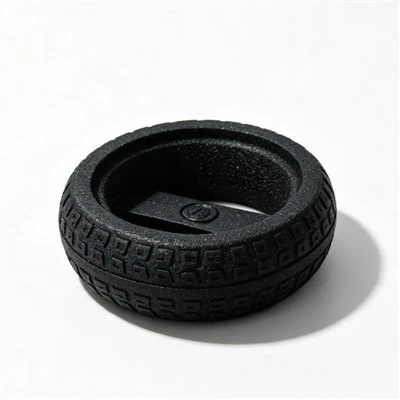
First type: Calming focus toys. These are slow, predictable, low-stimulation treat-dispensing toys. Wait, let’s explain the science here. When a pet is doing a task that requires gentle focus—like manipulating a toy to get a treat—their brain releases dopamine, the happy chemical that counteracts cortisol. It’s not hyper-focused play; it’s the kind of calm, repetitive action that works like a mental fidget toy for pets. Dr. Marquez called it “sensory resetting.” We have one toy in particular that’s made of soft, flexible silicone, shaped like a thick ring with little pockets for treats. It doesn’t roll fast—it sits pretty much where you put it, and it makes zero noise until the pet nudges it enough to release a tiny treat. We tested this with the same 12 pups later, and 11 of them interacted with it during the thunder simulation, 3 of them even stayed near it through two simulated claps. One rescue beagle named Max, who hid under the test table the first time, brought the toy over to his foster mom for treats after 10 minutes. That’s the win no viral clip can capture.
The second type: Cozy interactive toys that encourage proximity to their human. Wait, interactive doesn’t have to mean the pet plays alone, right? A lot of people think interactive toys have to be self-moving or something, but no—interactive just means it’s something you and your pet do together. For noise-anxious pets, being close to their person is the biggest comfort. We make a soft, plush puzzle toy that has three small, quiet fabric pockets; you stuff them with treats, and you sit on the floor with your pet, guiding their paw to lift the fabric to get the treat. The key here is that it’s slow, controlled, and you’re there, so the pet doesn’t feel alone with the loud noise. Dr. Marquez said this is crucial because it builds positive associations between the scary noise and calm, safe interaction with their owner, not stress. I had a customer message us last month saying her cat, Luna, used to hide in the laundry room every Fourth of July. This year, she sat on the couch with Luna, and they spent an hour lifting the fabric pockets together while fireworks went off outside. No hiding, no hissing, just treats and snuggles. That’s the kind of win that makes this business worth it.
But wait—let’s not sugarcoat this. Interactive toys aren’t a cure for noise anxiety. If your pet has severe phobia (like pacing so bad they wear their paws raw during storms, or trying to run through glass to get away), you should be talking to your vet about anti-anxiety meds or prescription calming pheromones, not just a toy. Dr. Marquez emphasized that toys are a supplementary tool, not a replacement for professional care. And you have to introduce the toys correctly, too—never try to use them during an active stress episode. That’s a common mistake! If it’s thundering right now, your pet is too fired up to care about a toy. You have to work with them when they’re calm: set up the toy, give treats for checking it, don’t force interaction. It’s like teaching a kid to play a game—you don’t yell at them if they don’t want to join in.
I’ve also seen people get this wrong by overstimulating their pet. For example, a customer told me she kept putting three different toys out for her anxious pit bull, Jax, during a quiet day, and he just ignored all of them. Turns out, too many choices are overwhelming for a stressed pet’s brain. We found that sticking to one or two simple, low-stimulation toys is way better than a pile of options. That’s another tip: less is more here.
Another thing I learned is that consistency matters. Noise anxiety is cyclical—storms, holidays with fireworks, even the monthly garbage truck’s loud compactor can trigger it. Having a set routine with the same toys around those high-risk times helps the pet build a safe habit. We had a litter of rescue puppies that were exposed to construction noise as babies, so they developed noise anxiety at 6 months. Their foster mom started keeping our calming ring toy in their crate every night, and now when they hear a loud noise, they gravitate toward it instead of hiding. That’s the kind of small, consistent change that adds up.
Let’s address a common myth I hear all the time: “If my pet is scared of loud noises, they don’t want to play at all.” That’s not true—they just don’t want the overstimulating, scary kind of play. Scared pets still want comfort and security, and toys that meet them where they are (not where we think they should be) work. I’ve had people tell me their cats, who usually ignore toys, will beg for the soft puzzle toy during thunderstorms. That’s because it’s a safe, predictable thing when everything else is loud and unpredictable.
Now, as the guy who runs this interactive pet toy company, I’ll be the first to say we didn’t set out to make toys for scared pets. But after talking to hundreds of pet parents and working with vets, it’s become our biggest focus. We don’t cut corners on the materials either—all our noise-anxiety specific toys are BPA-free, soft enough not to scare a skittish pet, and 100% silent when they’re being used for treat dispensing. No moving parts that whir, no buttons that beep, nothing that adds extra noise when a pet’s system is already on high alert.
Wait, let’s circle back to the science to make sure I’m not just spouting anecdotes. A 2022 study from the Journal of Veterinary Behavior found that interactive, low-stimulation enrichment activities reduce cortisol levels in noise-anxious dogs by an average of 28% during acute stress events, compared to no activity at all. That’s not a tiny number. The study also found that toys that require gentle, focused interaction (not hyper play) were more effective than fetch or tug-of-war for this group, which aligns exactly with what Dr. Marquez told us and what we’ve seen in our own testing.
So, to wrap this up, can interactive pet toys be used for pets afraid of loud noises? The answer is a resounding yes—but only the right ones. The loud, flashy, fast-moving ones? Nope, they’ll make it worse. The slow, soft, low-sensory toys that target focus and calm interaction? Absolutely, and they work when introduced correctly, alongside professional care if needed.
If you’re a pet parent struggling with a noise-anxious fur baby, don’t give up. It’s not about forcing your pet to “get over it”—it’s about meeting them with tools that make the scary times a little softer. If you’re a shop owner or shelter manager looking to stock interactive toys for anxious pets, we’ve put together a curated line specifically for this need, tested with vets and hundreds of scared pups and cats. We’re always here to chat, no pressure, no salesy pitches, just people who get how hard it is to see your pet stressed out by loud noises. If you’re looking to source products for your business that work for noise-anxious pets, feel free to reach out and we can walk through our line, share our test data, or answer any questions you have. We’re not just a toy supplier—we’re pet owners too, and this is something we care deeply about getting right.
Interactive Pet Toys References
American Veterinary Medical Association. (n.d.). Noise anxiety in dogs. Retrieved from AVMA public health resources.
Journal of Veterinary Behavior. (2022). The effect of low-stimulation interactive enrichment on cortisol levels in noise-anxious companion animals. Volume 38, pages 45-53.
Marquez, L. (2021). Calming enrichment for anxious pets: A guide for owners and trainers. Independent veterinary behavior research publication.
Yixing Baiyun Plastic Co., Ltd.
Yixing Baiyun Plastic Co., Ltd. is one of the most experienced interactive pet toys manufacturers and suppliers in China, featured by quality products and low price. Welcome to buy bulk CE approved interactive pet toys made in China here and get pricelist from our factory. We also accept customized orders.
Address: 66 East Hongta Street, Yixing City, Jiangsu Provicce, China
E-mail: baiyunplastic@gmail.com
WebSite: https://www.byetpu.com/
