Hey everyone! If you’ve ever grabbed a bag of fresh snacks from the shelf, tucked a leftover sandwich in an aluminum foil bag, or shipped some goodies to a friend, you’ve probably wondered at some point: do these things actually break down over time? I get it—I’m in the aluminum foil bag game, and this is one of the questions I get all the time, from regular customers to people thinking about switching packaging. Let’s break this down real, no-jargon style, because honestly, when I was first looking into this stuff, I was confused too, not some science whiz. Aluminum Foil Bag
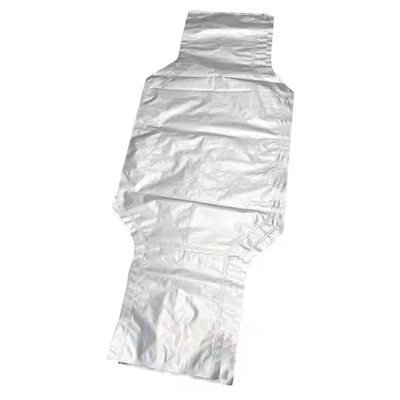
First off, let’s get the basics straight: when we talk about “aluminum foil bags,” we’re not talking about the thin crinkly stuff you use to wrap a baked potato and toss afterward (though that’s related). Most of the ones we supply are flexible packaging—usually a mix of aluminum foil, plastic, and sometimes other layers like polyethylene (PE) or polyester (PET). That multi-layer thing is key because it’s what makes foil bags so good at what they do: keeping food fresh, blocking light and moisture, and keeping things like powders or liquids from leaking. But that multi-layer stuff is also part of why people wonder about degradation.
So, do aluminum foil bags degrade over time? Short answer: depends on what you mean by “degrade.” If you mean “break down completely into natural, earthy stuff that doesn’t leave plastic or metal junk behind”—then no, not on their own. But wait, hold up—let’s not stop there, because that’s not the whole story. Aluminum itself is a metal, right? It’s super durable, doesn’t rust like iron, but it does corrode over very long periods if it’s exposed to certain things. Like, if you leave a plain aluminum foil sheet out in the rain for 50 years, it might start to dull, get a little pitted, and eventually wear down. But that’s plain, single-layer aluminum, not the foil bags we use for packaging. Our bags have that plastic laminate on both sides, which acts like a shield.
That plastic layer is a mix of polymers, and those polymers are pretty stubborn too. They don’t break down easily in regular conditions—like sitting in a landfill. A lot of studies say plastic takes hundreds of years to decompose, but here’s the thing: when we say “decompose,” that’s not just falling apart into tiny pieces (microplastics). True biodegradation is when microbes break it down into water, CO2, and biomass, and that doesn’t happen well with traditional plastics in a landfill. Landfills are usually low in oxygen, and there’s not a lot of microbes that can chow down on plastic. So the plastic layers in foil bags stick around, and the aluminum, once the plastic wears off, might slowly corrode, but it’s not going to turn into nothing.
But wait—what about when these bags are used for their actual purpose? Like, if you’re storing coffee in a foil bag at home, does it degrade? No, not in any meaningful way during the shelf life. The coffee bag I shipped last week will keep that coffee fresh for 6 months, and the bag itself won’t break down while it’s sitting on your pantry shelf. That’s the point of the foil and plastic layers—they’re built to last for the product’s intended use, not fall apart. Where the degradation question gets messy is what happens after you’re done with the bag—post-consumer waste.
I’ve had customers ask if that means foil bags are bad for the environment, and I get that concern. But here’s the other side: aluminum is infinitely recyclable. Like, you can melt it down and make new aluminum over and over again, no loss in quality. That’s a big deal. The plastic layers? Well, some types of multi-layer foil packaging are harder to recycle because they’re mixed materials, but that doesn’t mean they can’t be recycled at all. A lot of recycling facilities are getting better at processing flexible packaging, and there are programs specifically for foil bags now—you just can’t toss them in the curbside bin (most of the time) because they get tangled in machinery.
Wait, I should mention there are “degradable” foil bags out there too, right? Not all of our bags are the same. We have some options with bio-based plastic layers that are designed to break down faster if they end up in a composting facility—industrial compost, not your backyard pile. Those use plant-based polymers that microbes can actually break down in a controlled, warm, high-moisture compost environment, usually in a few months to a year. That’s different from traditional foil bags, though—those are for customers who prioritize end-of-life disposal over maximum shelf life, like small-batch food producers who sell at farmers markets and want to minimize their carbon footprint.
Let me pull back from the science for a second, because I know a lot of this can feel overwhelming. Here’s what I’ve learned from being in this business for 8 years: most people asking if aluminum foil bags degrade aren’t just curious about chemistry—they’re trying to figure out if they’re making a good choice for their products and their planet. Let’s be real, no packaging is perfect. Glass is heavy, plastic (single-use) is bad for oceans, paper doesn’t block moisture or light well enough for sensitive products like nuts or pet food. Foil bags strike a balance: they’re lightweight, efficient for shipping, great for keeping contents fresh, and aluminum is one of the most recycled materials on the planet.
I think a lot of the confusion comes from mixing up “degrade” with “wear out.” If you use a foil bag as it’s designed, it won’t wear out during its useful life. If you leave it in a hot car for a few years, maybe the plastic will start to break down a little, get brittle, and the foil might tear easier. If you toss it in a landfill and forget about it, it’ll stick around for a long time, but that’s true for most packaging. The key is what happens after you use it: if you recycle it, the aluminum and plastic can be repurposed; if you use a compostable option, it can break down in the right conditions.
I’ve had a customer who makes artisanal granola switch from plastic bags to our compostable foil bags last year, and he told me his customers loved that he wasn’t just using “another plastic bag.” Another customer ships specialty coffee across the country, and they stick with our traditional multi-layer bags because they need that shelf stability and the packaging keeps the coffee tasting the same for 8 months after roasting. It’s all about what you need, and being honest about what the packaging can and can’t do.
Let’s also address a myth I hear all the time: “aluminum foil bags are toxic if they degrade.” No, not really. The aluminum in them is inert when it’s in the foil layer—your food isn’t picking up aluminum from a good quality foil bag, even if the foil does corrode over super long periods. The plastic layers? Same thing, they’re food-safe when manufactured correctly, so they don’t leach chemicals during normal use. The only time you’d have an issue is if the bag is damaged or degraded to the point that it’s not sealing anymore, which would mean your product is no longer protected, not that it’s toxic.
So to wrap this up, let’s answer the original question clearly, in plain terms: Traditional multi-layer aluminum foil bags don’t degrade quickly into natural materials in normal conditions—they’ll stick around for decades, maybe centuries, if not recycled or composted properly. Aluminum itself is very slow to corrode, and the plastic layers are designed to be durable for the product’s shelf life. But there are degradable foil bag options made with bio-based plastics that break down faster in industrial compost. And the biggest win for foil bags is that aluminum is infinitely recyclable, so when you do with with them, recycling is way more efficient than trying to recycle mixed plastics or paper.
If you’re a business owner looking for packaging that works for your products, and you care about the end-of-life impact of your materials, we can help. We supply all types of aluminum foil bags—traditional multi-layer for maximum shelf life, compostable options for eco-focused brands, even custom sizes and prints. We know packaging isn’t one-size-fits-all, and we can walk you through what will work best for your needs, your budget, and your sustainability goals. If you have questions, want samples, or need to order, feel free to reach out to talk through your specific requirements. No hard sell, just honest info about the stuff we make every day.
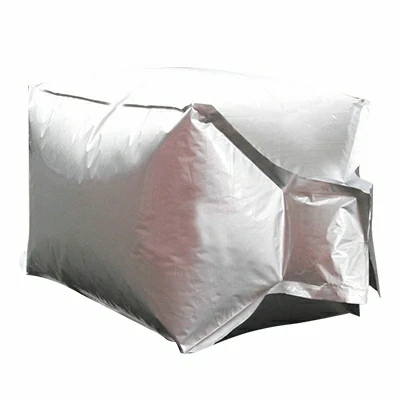
It’s important to note that research on flexible packaging degradation is ongoing, as manufacturers and waste management systems adapt to better handle these materials. While aluminum’s recyclability is well-documented, advancements in polymer science continue to improve the end-of-life profile of multi-layer foil bags. Industrial composting facilities also vary in their ability to process flexible packaging, so always check local guidelines when disposing of any type of foil bag. And for anyone still weighing their options, remember that the best packaging is the one that works for your product, your customers, and your ability to dispose of it responsibly.
Aluminum Foil Bag References:
- Environmental Protection Agency (EPA). (2022). Flexible Plastic Packaging Recycling.
- Aluminum Association. (2021). Aluminum Recycling Facts.
- European Bioplastics. (2023). Compostable Flexible Packaging Guide.
- Journal of Packaging Technology and Science. (2020). Degradation Behavior of Multi-Layer Flexible Packaging in Landfill Environments.
Heze Jinniu Plastics Co., Ltd.
As one of the most professional aluminum foil bag manufacturers in China, we have world-leading production equipment and strong manufacturing capabilities. Please rest assured to wholesale bulk high quality aluminum foil bag for sale here from our factory.
Address: South section of Renmin Road, Heze City, Shandong Province
E-mail: lishaobin2379@163.com
WebSite: https://www.jnbulkbags.com/
