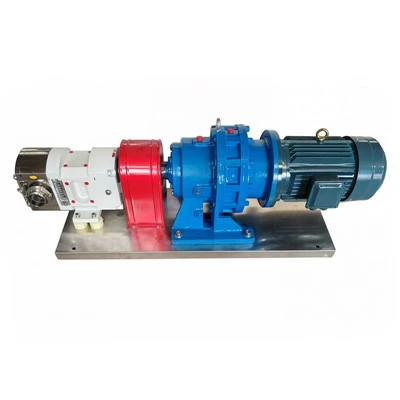
As a screw pump supplier, I’ve witnessed firsthand the profound impact of fluid viscosity on the performance of these remarkable machines. Screw pumps are widely used in various industries, from oil and gas to food processing, due to their ability to handle a wide range of fluids. However, the viscosity of the fluid being pumped can significantly affect the pump’s efficiency, reliability, and overall performance. Screw Pump
Understanding Fluid Viscosity
Viscosity is a measure of a fluid’s resistance to flow. It is often described as the "thickness" or "stickiness" of a fluid. Fluids with high viscosity, such as honey or molasses, flow more slowly and require more energy to move than fluids with low viscosity, such as water or gasoline.
The viscosity of a fluid can be affected by several factors, including temperature, pressure, and the presence of additives or contaminants. As the temperature of a fluid increases, its viscosity typically decreases, making it easier to pump. Conversely, as the pressure on a fluid increases, its viscosity may increase, requiring more energy to move the fluid through the pump.
How Viscosity Affects Screw Pump Performance
The performance of a screw pump is directly related to the viscosity of the fluid being pumped. Here are some of the key ways in which viscosity can impact the operation of a screw pump:
Flow Rate
The flow rate of a screw pump is the volume of fluid that the pump can move per unit of time. As the viscosity of the fluid increases, the flow rate of the pump typically decreases. This is because the higher viscosity fluid requires more energy to move through the pump, and the pump may not be able to generate enough pressure to maintain the same flow rate as it would with a lower viscosity fluid.
Pressure
The pressure generated by a screw pump is the force that the pump applies to the fluid to move it through the system. As the viscosity of the fluid increases, the pressure required to move the fluid through the pump also increases. This is because the higher viscosity fluid offers more resistance to flow, and the pump must work harder to overcome this resistance.
Efficiency
The efficiency of a screw pump is a measure of how effectively the pump converts the energy input into useful work. As the viscosity of the fluid increases, the efficiency of the pump typically decreases. This is because the higher viscosity fluid requires more energy to move through the pump, and some of this energy is lost as heat due to friction.
Wear and Tear
The viscosity of the fluid being pumped can also affect the wear and tear on the screw pump. High viscosity fluids can cause more wear on the pump’s components, such as the screws and the housing, due to the increased friction and pressure. This can lead to reduced pump life and increased maintenance costs.
Selecting the Right Screw Pump for High Viscosity Fluids
When selecting a screw pump for high viscosity fluids, it is important to consider several factors to ensure optimal performance and reliability. Here are some key considerations:
Pump Design
The design of the screw pump can have a significant impact on its ability to handle high viscosity fluids. Pumps with larger screw diameters and shorter lengths are generally better suited for high viscosity applications, as they can generate more pressure and handle thicker fluids more effectively.
Material Selection
The materials used in the construction of the screw pump can also affect its performance and durability when handling high viscosity fluids. Pumps made from corrosion-resistant materials, such as stainless steel or alloy steels, are often preferred for high viscosity applications to prevent wear and corrosion.
Motor Size
The size of the motor used to drive the screw pump is also an important consideration. High viscosity fluids require more energy to move, so a larger motor may be needed to ensure sufficient power to operate the pump effectively.
Sealing and Lubrication
Proper sealing and lubrication are essential for the reliable operation of a screw pump when handling high viscosity fluids. Seals and gaskets should be selected to withstand the high pressures and temperatures associated with high viscosity applications, and the pump should be lubricated regularly to reduce friction and wear.
Case Study: Screw Pump Performance with High Viscosity Fluids
To illustrate the impact of fluid viscosity on screw pump performance, let’s consider a case study of a food processing plant that uses screw pumps to transfer a high viscosity product, such as chocolate or peanut butter.
The plant initially used a standard screw pump to transfer the product, but they experienced several problems, including low flow rates, high energy consumption, and frequent pump failures. After consulting with a screw pump supplier, they decided to upgrade to a pump specifically designed for high viscosity applications.
The new pump had a larger screw diameter and shorter length, which allowed it to generate more pressure and handle the thick product more effectively. The pump was also made from corrosion-resistant materials and had improved sealing and lubrication, which reduced wear and tear and increased the pump’s reliability.
As a result of the upgrade, the plant was able to increase the flow rate of the product by 30%, reduce energy consumption by 20%, and significantly reduce pump downtime and maintenance costs. The new pump also improved the quality of the product by ensuring a more consistent flow and reducing the risk of product contamination.
Conclusion
In conclusion, the viscosity of the fluid being pumped can have a significant impact on the performance of a screw pump. High viscosity fluids require more energy to move, which can reduce the pump’s flow rate, increase the pressure required to operate the pump, and decrease the pump’s efficiency. Additionally, high viscosity fluids can cause more wear and tear on the pump’s components, leading to reduced pump life and increased maintenance costs.
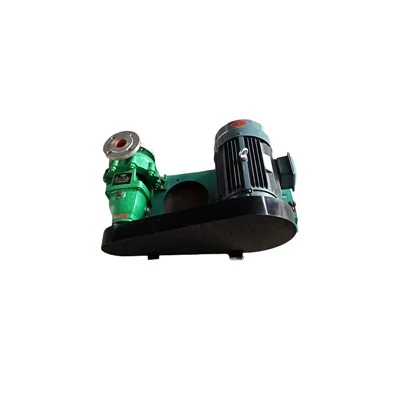
As a screw pump supplier, it is important to understand the impact of fluid viscosity on pump performance and to work closely with customers to select the right pump for their specific application. By considering factors such as pump design, material selection, motor size, and sealing and lubrication, we can help our customers optimize the performance and reliability of their screw pumps and ensure the efficient and cost-effective operation of their systems.
Diaphragm Pump If you are in the market for a screw pump and need help selecting the right pump for your application, please contact us to schedule a consultation. Our team of experts will work with you to understand your specific requirements and recommend the best pump solution for your needs.
References
- Karassik, I. J., Messina, J. P., Cooper, P., & Heald, C. C. (2001). Pump Handbook. McGraw-Hill.
- Stepanoff, A. J. (1957). Centrifugal and Axial Flow Pumps: Theory, Design, and Application. Wiley.
- Walas, S. M. (1990). Chemical Process Equipment: Selection and Design. Butterworth-Heinemann.
Botou Hengyang Pump & Valve Co., Ltd.
With abundant experience, we are one of the most professional screw pump manufacturers and suppliers in China. Please feel free to buy high standard screw pump made in China here and get pricelist from our factory. All customized pumps are with high quality and competitive price.
Address: No. 159, Road 1, Development Zone, Botou City, Cangzhou, Hebei Province, China
E-mail: bthdbf@163.com
WebSite: https://www.hyoilp.com/
