If you’ve ever stepped into a plastic recycling facility, you’ve probably heard the whir of pelletizing equipment long before you see it. As a plastic pelletizing equipment supplier, I get this question all the time: “What’s the real capacity of these machines?” It’s not a number I can rattle off offhand, because capacity depends on more than just the size of the machine or how loud it runs. I’ve seen customers come in thinking a “bigger” machine means more output, only to leave frustrated because they didn’t account for their specific plastic scrap or production goals. Let’s break this down the way I do with every new client, no jargon, no empty promises. Plastic Pelletizing Equipment
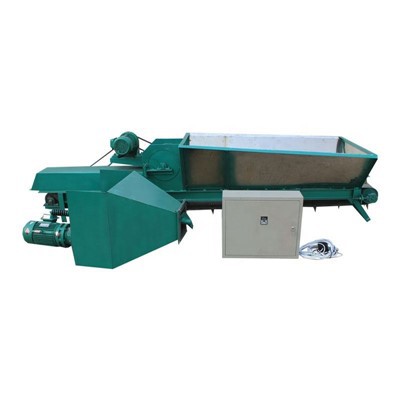
First, let’s start with the basics: capacity here refers to the amount of plastic scrap a pelletizer can turn into uniform, usable pellets in a given time—usually measured in pounds per hour (lb/h) or kilograms per hour (kg/h). But that’s just the surface number. The first big variable is the type of plastic you’re working with. If your scrap is clean, consistent #1 PET bottles, a mid-sized pelletizer can crank out 1,200 lb/h no problem. But if you’re processing mixed plastic waste—think a jumble of #2 HDPE jugs, #4 LDPE film, and #6 polystyrene foam—capacity drops fast. Mixed plastics require extra sorting, washing, and sometimes reprocessing to avoid contamination, so a machine handling that material might only hit 500–800 lb/h, even if it has the same motor size as the PET unit.
Another huge factor is pre-processing. Pelletizers can’t work miracles on dirty or bulky scrap. If your incoming material is full of labels, dirt, or moisture, you’ll need to add steps like decontamination lines, drying ovens, and metal detectors. I’ve had a client try to skip a drying step once, running wet LDPE film through their pelletizer. The machine could only push 400 lb/h because the moisture caused the plastic to melt unevenly, leading to frequent clogs. Once they added a 2-ton per hour dryer, capacity jumped to 1,100 lb/h that same machine—small change, big difference. That pre-processing infrastructure isn’t just an afterthought; it directly ties to the pelletizer’s real-world capacity, not the ideal lab number you might see in a spec sheet.
Then there’s the pelletizer’s core design, not just its power. You’ve got two main types for recycling: single-screw and twin-screw. Single-screw models are simpler, cheaper, and work great for consistent, clean scrap like post-industrial trimmings. Their capacity ranges from 200 lb/h for small, tabletop units used in small workshops up to 2,500 lb/h for large industrial lines. Twin-screw units, though, are built for tough, variable scrap. The twin screws mix and melt plastic more evenly, handle higher throughputs, and can process contaminated material better. A quality twin-screw pelletizer might start at 1,500 lb/h and go up to 6,000 lb/h for full-scale manufacturing facilities. But here’s the catch: a twin-screw machine rated for 5,000 lb/h won’t hit that number if your scrap is full of hard plastic parts or unwashed food containers. You still have to match the machine’s design to your feedstock.
I also talk to customers about their end goal, because capacity isn’t just about how much you can process—it’s about how much you can sell. If you’re a small business turning plastic scrap into pellets to sell to local injection molders, you might only need 500 lb/h. But if you’re a large recycler supplying major plastic product manufacturers, you’ll need a line that can handle 3,000 lb/h or more, with consistent pellets that meet strict quality standards. I’ve had a mid-sized recycler come to me a few years ago; they thought they needed a 4,000 lb/h machine to scale, but after we looked at their supply chain, they realized they only had enough scrap to hit 1,800 lb/h max. Buying a machine too big led to downtime, excess energy costs, and pellets they couldn’t move quickly. Size has to fit your business, not just your ambition.
Energy costs are another hidden layer of capacity. A machine running at maximum output might seem like the best deal, but if it’s using twice as much electricity to run that extra throughput, your profit margins will take a hit. I always calculate “specific energy consumption” with clients: how many kWh it takes to produce one pound of pellets. A single-screw unit for PET might use 0.3 kWh per pound, while a twin-screw for mixed plastic could be 0.5–0.7 kWh per pound. Even if a twin-screw has higher total capacity, if the energy cost per pound is too high, it’s not a productive use of resources. I’ve helped a few clients optimize their setup: they run their pelletizer at 85% of its rated maximum, which cuts energy use by 15% and reduces wear on the machine parts, leading to more consistent long-term capacity.
Maintenance also plays a role. A machine that’s run 24/7 without regular checks might see its capacity drop by 10–15% over time as worn screws or screens slow production. I recommend that clients schedule monthly screen changes (screens filter out any un-melted plastic or contaminants) and annual screw inspections. One of our long-term customers, a recycling plant in the Midwest, runs three pelletizers 20 hours a day, 6 days a week. They stick to the maintenance schedule, so their actual capacity is almost exactly at the rated number—no unexpected dips from clogs or worn parts.
It’s also important to distinguish between “nominal” capacity and “actual” capacity. Nominal capacity is the number a manufacturer lists on a spec sheet, tested with perfect, consistent material in a controlled lab setting. Actual capacity is what you get on your shop floor, with your real scrap, your labor, and your facility. I never sell a machine based just on nominal capacity. Instead, I ask clients to bring in a sample of their scrap, talk about their pre-processing steps, and outline their monthly production goals. Last quarter, a client brought in mixed post-consumer plastic bags; their nominal capacity for that machine was listed at 2,200 lb/h, but after analyzing their sample, I adjusted their setup to hit 1,600 lb/h reliably, with less downtime for clogs.
If you’re new to the industry, it’s easy to get swayed by the biggest number you see online. But I’ve seen too many businesses make costly mistakes that way. I work with customers across the board, from small craft workshops processing plastic bottle caps to large industrial recyclers handling tons of post-consumer waste. For every one, I tailor the capacity talk to their needs. A small shop might prefer a 300–500 lb/h single-screw pelletizer that fits in a 10×12 space, while a large plant might need a 4,000 lb/h twin-screw line with integrated washing and drying. At the end of the day, the best capacity is the one that works for your material, your space, your budget, and your ability to sell the pellets.
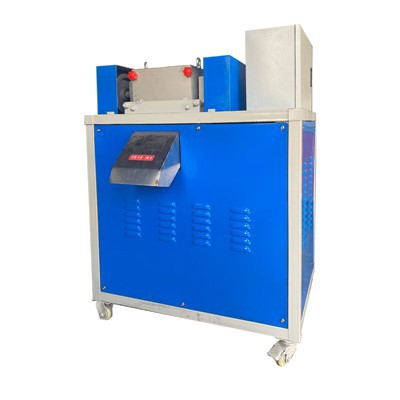
I always tell clients: capacity isn’t a one-size-fits-all number. It’s a conversation. When you’re ready to stop guessing and find the right pelletizing equipment for your operation, reach out to our team to discuss your specific needs. We can walk through your feedstock, your facility, and your goals to find a solution that delivers consistent, cost-effective output that fits your business.
Plastic Cleaning Equipment References:
- Plastics Industry Association. (2022). Recycling Equipment Performance Guidelines. Retrieved from industry technical manuals on plastic processing machinery.
- European Plastics Converters. (2021). Twin-Screw Pelletizer Design and Throughput Optimization. Journal of Plastic Recycling Technology.
- U.S. Environmental Protection Agency. (2020). Post-Consumer Plastic Waste Processing Capacity and Efficiency. Report on recycling infrastructure for municipal solid waste.
- Global Recycling Standards Board. (2023). Quality Control for Recycled Plastic Pellets. Standard operating procedures for pellet production in recycling facilities.
Laizhou Yuening Machinery Co., Ltd.
As one of the most reliable plastic pelletizing equipment manufacturers in China, we warmly welcome you to buy cheap plastic pelletizing equipment made in China here from our factory. All customized machines are with high quality and low price. For pricelist, contact us now.
Address: Yuanjia Village, Luwang, Shahe Town, Laizhou City, Yantai City, Shandong Province
E-mail: yueningjixie@163.com
WebSite: https://www.ynplasticmachinery.com/
