If you’ve ever stood in a grocery store staring at a bag of chips that doesn’t go stale for six months, or a medicine blister pack that keeps pills safe and dry, you’ve used flexible packaging rollstock. As a rollstock supplier, I talk to brands and in-house packaging teams every week who’re drowning in options—thicknesses, materials, coatings, and so many jargon terms that it’s easy to walk away more confused than when you started. Today I’m breaking down how to pick the right rollstock for your needs, no stuffy presentations or confusing acronym dumps. Flexible Packaging Rollstock

First, let’s get one thing straight: there’s no “one-size-fits-all” rollstock. What works for a granola bar wrapper will fall apart for frozen seafood, and what keeps soda carbonated won’t work for a bag of fresh cut flowers. The first step is asking a few basic questions that cut through all the noise, and I’m going to lead with the most important one because it’s the foundation of every other choice.
What’s your product and its storage timeline?
This is make-or-break. If you’re packaging fresh blueberries that need to sit on a shelf for a week and a half, you don’t need a heavy-duty barrier material. But if you’re packaging coffee beans that need to stay fresh for 12 months, or snack bars with nuts that get rancid fast, you need something that blocks moisture, oxygen, and even light. Let’s run through real examples I’ve seen with clients: a craft cookie brand came to me a few months back, using a thin poly bag they picked up cheap online. Within two months, all their butter cookies tasted stale—turns out the thin film couldn’t keep oxygen out, and the oil in the cookies oxidized. We swapped them for a biaxially oriented polypropylene (BOPP) rollstock with a thin EVOH (ethylene vinyl alcohol) coating, and their shelf life went from 30 days to 120 days, no complaints from customers.
Another example: a frozen pizza brand that was packaging their product in a cheap polyethylene (PE) film. The problem? Freezer burn. The thin PE couldn’t stop moisture from escaping the pizza crust, so after a few months in the freezer, the crust was dry and crumbly. We suggested a multilayer rollstock with a high-barrier nylon layer, which traps moisture inside and stops ice crystals from forming. That fixed their freezer burn issue immediately, and they’ve been using that stock ever since. If you’re storing something for less than 30 days—like a daily snack or a fresh bakery item—you can get away with a basic LDPE (low-density polyethylene) or uncoated BOPP. But for long shelf life (6+ months), you’ll need to look at multilayer structures, maybe even aluminum foil laminates if light or oxygen is a real problem.
What’s your packaging process like?
You could have the perfect material for your product, but if it doesn’t work with your existing machinery, it’s useless. I see this mistake all the time: a small brand buys a fancy high-barrier rollstock they saw online, only to find it won’t feed correctly through their old vertical form-fill-seal (VFFS) machine, or it sticks to the sealer bars when they heat-seal it. That’s a waste of time and money, so always check your machinery specs first.
Let’s break down common processes: VFFS machines are the most common for small to medium brands, especially for snacks, powders, and frozen foods. These machines pull rollstock through rollers, heat-seal it into bags, and fill them—so the rollstock needs to be flexible enough to bend around the rollers without creasing, and seal consistently at the temperature your machine uses. Shrink sleeve packaging is another one: if you’re using shrink film for bottles or cans, you need a rollstock that shrinks evenly at the right temperature (usually around 100-150°C) to avoid wrinkles or tears. For rigid boxes or cartons that use flexible labels, you need rollstock that can stick to different surfaces and resist peeling or fading.
Another thing: seal strength. If you’re heat-sealing the bags, the rollstock’s seal layer has to be compatible with your sealer type—whether it’s hot knife, impulse, or continuous band. Some materials seal better at lower temperatures, which is good if your machine has a lower heat setting, while others need higher temps for a stronger seal. I always ask clients to send me a sample of their packaging machine’s seal setting (or even a scrap of their old packaging that seals well) so I can point them to the right rollstock. Last year, a coffee roaster came to me with a VFFS machine that only ran at 120°C max. The foil laminate they were using needed 140°C to seal properly, so we swapped them for a similar high-barrier structure with a modified PE seal layer that worked at their machine’s lower temp. No downtime, no extra costs.
What’s your budget and sustainability goals?
Let’s be real—most brands have a budget, and rollstock is a big part of packaging costs, so you can’t ignore price. But here’s the thing: the cheapest option isn’t always the cheapest in the long run. Like that craft cookie brand I mentioned earlier, they saved a few cents per unit on cheap rollstock, but they lost money on returns, customer complaints, and wasted product. On the flip side, you don’t need to splurge on a fancy foil laminate if a simpler structure works. For example, a granola bar brand we worked with was using a foil laminate for their bars, which was costing them 15 cents per bag. We switched them to a BOPP/EVOH/PE structure that had almost the same barrier properties, cost 8 cents per bag, and their shelf life stayed the same. That’s a 47% cost savings—game changer for small brands.
Now, sustainability is huge right now, and more and more brands are asking for eco-friendly rollstock. The good news is that you don’t have to sacrifice performance for sustainability. There are plenty of recyclable or compostable rollstock options these days, from mono-material structures (all PE, for example, which is easier to recycle than laminates with multiple materials) to compostable films made from plant-based materials like PLA (polylactic acid) or PBAT. But a word of caution: not all “eco-friendly” rollstock is the same. Some compostable films only break down in industrial compost facilities, not in home compost or landfills, so if that’s important to your customers, make sure to check the certification (like BPI for compostability). Also, some plant-based films are less flexible or have worse barrier properties than traditional plastics, so test them with your product before committing. A snack brand recently tried a 100% plant-based rollstock for their chips, only to find it let too much oxygen in, so they went back to a recyclable mono-material PE structure that hit their sustainability goals without compromising shelf life.
Key material breakdowns to remember
I don’t want to overload you with too much jargon, but a quick cheat sheet of the most common rollstock materials will help when you’re talking to suppliers like me. Here’s what you need to know:
- LDPE (Low-Density Polyethylene): The workhorse. Flexible, cheap, good for basic products, but poor barrier properties. Great for short-shelf-life, non-sensitive products like bread or produce that needs to breathe.
- HDPE (High-Density Polyethylene): Stiffer than LDPE, more durable, good for heavier products like liquid detergents or cereal boxes.
- BOPP (Biaxially Oriented Polypropylene): Stretches in two directions, so it’s stronger and has better clarity than LDPE. Good for labels, snack bags, and if you add a coating (like EVOH or PVDC), it gets great barrier properties.
- Nylon (PA): Super strong, puncture-resistant. Perfect for frozen foods, meat packaging, or any product that might get poked or torn.
- EVOH (Ethylene Vinyl Alcohol): The go-to barrier material for oxygen. If you need to keep oxygen out, EVOH is your guy—used in multilayer structures with other materials to add strength.
- Aluminum Foil: The ultimate barrier—blocks light, oxygen, moisture, even odors. Used for coffee, medical products, or anything that needs extreme shelf life. It’s not recyclable in most curbside programs, though, so keep that in mind if sustainability is a priority.
Common mistakes to avoid
Let’s wrap up with a few mistakes I see all the time that are easy to fix:
- Not testing before ordering full runs: Always ask for a sample rollstock to test with your product and machinery. I offer free sample rolls to all my clients, no strings attached, because I’d rather you test it than order 10,000 units that don’t work.
- Ignoring regulatory requirements: If you’re packaging food, medicine, or anything that touches human skin, there are regulations (like FDA in the US, EFSA in Europe) that the rollstock has to meet. Don’t buy untested rollstock from a random supplier—make sure it’s food-safe or compliant with whatever rules apply to your product.
- Forgetting about printing: If you need custom printing on your rollstock, make sure the material works with your printing process (flexo, gravure, digital). Some films take ink better than others, so if you want bright, long-lasting prints, check that the rollstock is compatible.
- Overbuying: Don’t order more rollstock than you can use in a few months. Some materials, especially those with high barrier properties, can degrade over time if stored in a hot, humid place. A small craft chocolate brand I worked with ordered a year’s worth of rollstock and found the barrier layer broke down before they used it all, so their chocolate melted and went bad.
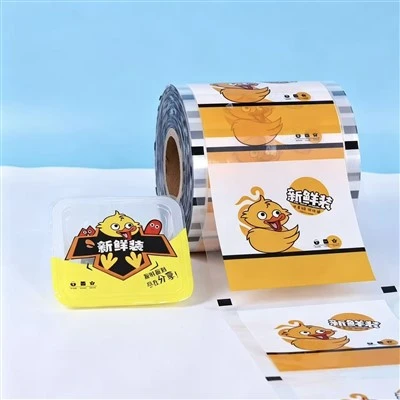
At the end of the day, choosing the right flexible packaging rollstock is all about matching three things: your product’s needs (shelf life, sensitivity), your machinery’s capabilities, and your budget and goals. You don’t need to be an expert—just ask the right questions, test samples, and work with a supplier who listens, not just tries to sell you the most expensive stuff. If you’re stuck, shoot me a message, send over details about your product, process, and goals, and I can help you narrow down the options. No pressure, no sales pitch—just honest advice from someone who’s been in this game for years, watching brands grow with the right packaging.
Custom Packaging Bags References:
- Soroka, W. (2019). Flexible Packaging Handbook (7th ed.). Institute of Packaging Professionals.
- Selke, S., et al. (2015). Plastics Packaging: Properties, Processing, Performance, and Regulations (2nd ed.). Carl Hanser Verlag.
- European Flexible Packaging Association (EFPA). (2022). Sustainable Flexible Packaging Guidelines.
- Food and Drug Administration (FDA). (2021). Food Contact Substances: Flexible Packaging Materials.
Dongguang County Sansheng Plastic Packaging Co., Ltd.
Dongguang County Sansheng Plastic Packaging Co., Ltd. is one of the most professional flexible packaging rollstock manufacturers and suppliers in China, also supports customized service. Welcome to buy advanced flexible packaging rollstock made in China here and get quotation from our factory. Quality products and low price are available.
Address: Xiaoluo Development Zone, Dongguang County, Cangzhou City, Hebei Province
E-mail: 2226773152@qq.com
WebSite: https://www.sanspackagingbags.com/
