Yo, what’s up guys! I’m running a U Drills supply gig, and one question I get asked a ton is, "How long do U Drills last?" It’s a legit query, ’cause nobody wants to splash cash on tools that conk out after just a few uses. So, I’m gonna break it down for you here. U Drills
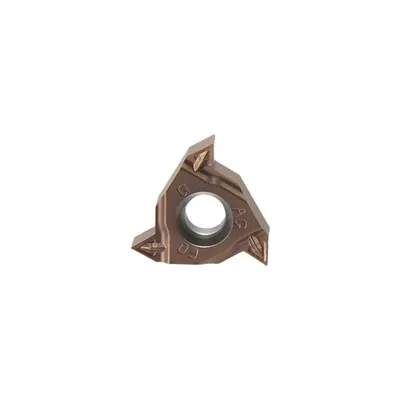
First off, there’s no one – size – fits – all answer to this. The lifespan of U Drills can vary a whole bunch based on several factors. Let’s start with the material they’re made from. Most of the U Drills I supply are crafted from high – speed steel (HSS), carbide, or a mix of both.
HSS U Drills are pretty common. They’re tough and can handle a fair amount of wear and tear. They’re also more budget – friendly compared to some other options. But they do have their limits. If you’re using them to drill through super hard materials like stainless steel or titanium, they’re not gonna last as long as they would with softer stuff like aluminum or wood. On average, in normal use with medium – hardness materials, an HSS U Drill might last anywhere from 50 to 200 holes. That’s a wide range, I know, but it depends on things like how fast you’re drilling, the feed rate, and how sharp you keep the drill.
Carbide U Drills, on the other hand, are the heavy hitters. They’re way more expensive than HSS, but they can take a beating. Carbide is extremely hard and heat – resistant. This means it can drill through tough materials with ease and maintain its sharpness for longer. In industrial settings where they’re drilling through hard alloys all day, a good carbide U Drill can last for thousands of holes. But if you’re using it incorrectly, say with too high a speed or too much pressure, you can still wear it out pretty quickly.
Another big factor that affects how long U Drills last is the way they’re used. I’ve seen some customers who just go full – throttle with their drills, not caring about the right speed or feed. This is a surefire way to kill a drill fast. You gotta match the drill speed with the material you’re drilling. For softer materials, you can go a bit faster, but for harder ones, you need to slow down. And the feed rate is crucial too. If you’re pushing the drill too hard into the material, it’ll put extra stress on the drill bit and cause it to wear out prematurely.
The quality of the workpiece also matters. If the material has impurities or hard spots in it, the drill is gonna have a harder time getting through. It’s like trying to cut through a piece of wood with a knot in it. The drill bit has to work harder, and that means more wear. So, if you’re dealing with inconsistent materials, you might need to replace your U Drills more often.
Maintenance is another key thing. You can’t just use a drill and then toss it in a drawer until the next time. You gotta clean it regularly. After each use, wipe off any chips or debris. If there’s any coolant or lubricant on it, make sure it’s dry before storing. And every now and then, you should sharpen the drill bit. A dull drill not only takes longer to drill but also puts more stress on the bit itself, shortening its lifespan.
Now, let’s talk about some real – world scenarios. In a small woodworking shop, where they’re mainly using U Drills to drill holes in pine or oak, an HSS U Drill can last a good long while. They might be able to get through a few hundred holes before they notice a significant drop in performance. But in a metal – working factory that’s churning out parts from hardened steel, they’ll probably be swapping out carbide U Drills every few thousand holes, depending on the complexity of the job.
I’ve also noticed that the design of the U Drill plays a role. Some U Drills have better chip evacuation mechanisms. When you’re drilling, chips are produced, and if they’re not removed properly, they can clog the drill and cause it to overheat. Drills with good chip flutes can keep the chips flowing out, which helps the drill last longer.
In my experience, communication with the end – users is super important. I’ve had customers come to me complaining that the U Drills I supplied didn’t last long. When we dug deeper, it turned out they were using the wrong type of drill for the job or not following the proper operating procedures. That’s why I always try to educate my customers about the right way to use and maintain their U Drills.
So, to sum it up, it’s really hard to give an exact number for how long U Drills last. It could be anywhere from a few dozen holes to thousands, depending on the material of the drill, how it’s used, the quality of the workpiece, and how well it’s maintained.
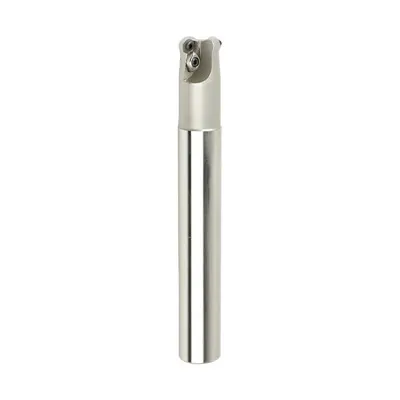
If you’re in the market for U Drills, whether it’s for a small DIY project or a big industrial operation, I’m here to help. I’ve got a wide range of U Drills in different materials and sizes to suit your needs. And I’m more than happy to share my knowledge on how to get the most out of them. If you’re interested in learning more or want to discuss your specific requirements, just reach out. We can have a chat about what’ll work best for you and how to make your U Drills last as long as possible.
MGR Small Boring Tool References
- "Tool Life and Wear in Drilling Operations" – A research paper on the factors affecting the lifespan of drill bits.
- "Handbook of Metalworking Tools" – A comprehensive guide on different types of metal – working tools, including U Drills.
Small Craftsman (Shandong) Machine & Tools Co., Ltd.
Small Craftsman (Shandong) Machine & Tools Co., Ltd. is one of the most experienced u drills manufacturers and suppliers in China, also supports customized service with low price. Please feel free to buy bulk high quality u drills in stock here from our factory. Contact us for pricelist.
Address: No.9 Quanxin Rd., Sishui Economic Developing Zone, Jining, Shandong, China.
E-mail: 6196@ocutchina.com
WebSite: https://www.ocutooling.com/
