Yo, what’s up everyone! I’m part of a crew that supplies metal cut off wheels. I’ve been getting a bunch of questions lately about what the cutting speed of a metal cut off wheel actually is. So, I figured I’d sit down and write this blog to clear things up and share some cool info. Metal Cut Off Wheel
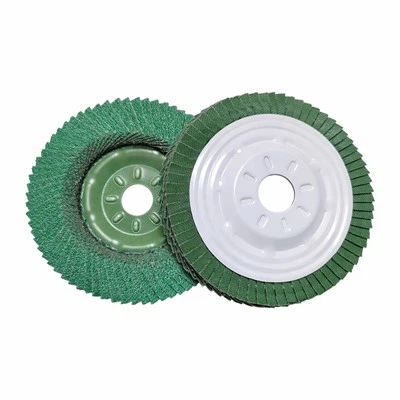
First off, let’s talk about what cutting speed really means. Cutting speed is how fast the outer edge of the metal cut off wheel moves past the piece of metal you’re trying to cut. It’s usually measured in surface feet per minute (SFM) or meters per second (m/s). Why does this matter? Well, if the cutting speed is too low, the wheel might not cut effectively, and you’ll end up putting in a lot of elbow grease for a lousy cut. On the other hand, if the speed is too high, the wheel can overheat, wear out super quickly, or even break, which is seriously dangerous.
There are a few factors that affect the cutting speed of a metal cut off wheel. The type of metal you’re cutting is a big one. Different metals have different hardness levels. For example, cutting through soft metals like aluminum or copper is a lot different from cutting hard metals like stainless steel or titanium. Soft metals generally allow for a higher cutting speed because they’re easier to chip away at. You can push the wheel a bit faster without causing too much stress. But when it comes to hard metals, you’ve got to slow things down. The hardness of these metals means the wheel has to work harder, and if you go too fast, the wheel can get prematurely worn out or damaged.
The diameter of the cut off wheel also plays a huge role. Generally, larger diameter wheels can handle lower RPMs (revolutions per minute) and still achieve a good cutting speed. That’s because the outer edge of a larger wheel travels a greater distance in one revolution compared to a smaller wheel. So, if you’re using a smaller wheel, you’ll probably need to run it at a higher RPM to get the same cutting speed.
Another important factor is the grit size of the wheel. The grit is the abrasive particles on the surface of the wheel. Finer grit wheels are better for getting a smoother cut but usually work best at lower cutting speeds. They’re removing less material at a time, so there’s less heat generated. Coarser grit wheels, on the other hand, are designed to remove material quickly. They can handle higher cutting speeds because they’re taking bigger chunks out of the metal.
So, how do you figure out the right cutting speed? Most metal cut off wheel manufacturers will provide a recommended cutting speed based on the type of wheel and the intended application. You can usually find this information on the packaging or in the product manual. But sometimes, you’ve got to use a bit of trial and error too. Start at the recommended speed and see how it goes. If the wheel seems to be struggling, try lowering the speed. If it’s cutting too slowly, you can bump it up a bit.
I’ve had some experiences on the job that really highlight the importance of getting the cutting speed right. Once, I was working with a new guy who was in a hurry to finish a job. He cranked up the RPMs on the cut off wheel way too high while trying to cut through a thick piece of stainless steel. The wheel started smoking, and within a few seconds, it shattered. It was a scary moment, and we had to stop work and clean up the mess. After that, we made sure to double – check the recommended cutting speed and take our time.
Now, let’s talk about how to adjust the cutting speed. If you’re using a power tool like an angle grinder, most modern ones come with variable speed settings. You can easily adjust the RPMs based on what you need. Just turn the speed dial to the appropriate setting. Some older tools might not have this feature, in which case you might need to use a speed controller or look for a different tool that can give you more control.
When it comes to safety, cutting speed is a crucial factor. As I mentioned earlier, if the speed is too high, the wheel can break, sending sharp pieces flying everywhere. That can cause serious injuries. Always wear the right safety gear, like safety glasses, a face shield, and gloves. And make sure the work area is clear of any debris or people who could be in the line of fire.
In addition to safety, getting the cutting speed right also affects the quality of your cut. A proper cutting speed will give you a clean, smooth cut with minimal burrs. If the speed is off, you might end up with a jagged cut that requires a lot of extra work to clean up.
So, here’s the deal. We’ve got some amazing metal cut off wheels at our supply. They’re made from high – quality materials and are designed to give you the best cutting performance. Whether you’re a professional welder, a DIY enthusiast, or someone who just needs to do some occasional metal cutting, our wheels can handle the job.

If you’re interested in learning more about our metal cut off wheels or want to discuss the best cutting speeds for your specific applications, don’t hesitate to reach out. We’re here to help you make the right choice and get the most out of your cutting tools.
Flap Disc References:
- Metalworking Machinery Handbook
- Safety Guidelines for Abrasive Cutting Wheels by Industry Standards
Henan Yandisc Hardware Tools Co., Ltd.
Address: Zinan Road, High-tech Industrial Development Zone, Zhengzhou, Henan, China
E-mail: info@yandisc.com
WebSite: https://www.yandisc.com/
