Hey there! I’m a supplier of gate valves, and over the years, I’ve seen my fair share of gate valve failures. In this blog, I’m gonna talk about some common failures of gate valves that you might run into. Gate Valve

Leakage
One of the most frequent issues with gate valves is leakage. There are a few places where leakage can occur. First off, there’s the seat leakage. The seats of a gate valve are crucial for sealing. If they get damaged or worn out, fluid can seep through. This can happen due to corrosion, which is a real pain in the neck. When the valve is exposed to corrosive fluids or environments for a long time, the seat material can start to break down.
Another cause of seat leakage is improper installation. If the valve isn’t installed correctly, the gate might not sit properly on the seats, leading to gaps and leakage. For example, if the valve is not aligned straight during installation, it can put uneven pressure on the seats, causing them to not seal properly.
Then there’s stem leakage. The stem is the part that connects the actuator to the gate. If the packing around the stem gets loose or damaged, fluid can leak out along the stem. This can be due to normal wear and tear over time. The packing is usually made of materials like graphite or PTFE, and as the valve is opened and closed repeatedly, the packing can get compressed and lose its ability to seal tightly.
Gate Sticking
Gate sticking is another common problem. Sometimes, the gate just won’t move smoothly when you try to open or close the valve. One reason for this is debris buildup. In industrial settings, there can be all sorts of particles in the fluid flowing through the valve, like sand, dirt, or small metal chips. These particles can get trapped between the gate and the seats or in the guideways of the valve. Over time, they can form a layer that makes it difficult for the gate to slide.
Corrosion can also cause the gate to stick. If the gate or the seats corrode, the surface becomes rough, increasing the friction between the moving parts. As a result, more force is needed to operate the valve, and in some cases, the gate might get completely stuck.
In addition, mechanical damage to the gate or the valve body can lead to sticking. For example, if the valve is subjected to a sudden impact, it can deform the gate or the guideways, preventing the gate from moving freely.
Broken Stem
The stem is a critical component of the gate valve, and it can break under certain conditions. Excessive force is one major culprit. If the operator tries to open or close the valve using too much force, especially if the valve is stuck, it can put a lot of stress on the stem. This can cause the stem to crack or break.
Fatigue is another factor. The stem is constantly subjected to cyclic loading as the valve is opened and closed. Over time, this repeated stress can lead to fatigue failure. If the stem material has any inherent flaws or if it’s not properly heat – treated, it’s more likely to fail due to fatigue.
Corrosion can also weaken the stem. When the stem is exposed to corrosive substances, it can lose its strength. The corrosion can eat away at the material, reducing its cross – sectional area and making it more prone to breaking.
Incomplete Opening or Closing
Sometimes, a gate valve might not open or close fully. This can be due to a problem with the actuator. If the actuator doesn’t have enough power, it won’t be able to move the gate to its full open or closed position. For example, an electric actuator might have a motor that’s too weak for the valve size, or a pneumatic actuator might not have enough air pressure.
Alignment issues can also cause incomplete opening or closing. If the valve is misaligned during installation, the gate might hit the valve body or the seats before it reaches its proper position. This can prevent the valve from opening or closing fully, which can affect the flow control of the system.
Erosion
Erosion is a significant problem, especially in high – velocity fluid applications. When the fluid flows through the valve at a high speed, it can carry abrasive particles that wear away the internal components of the valve. The gate and the seats are particularly vulnerable to erosion.
The shape of the valve and the flow path can also contribute to erosion. If the fluid flow is turbulent, it can increase the impact of the abrasive particles on the valve surfaces. Over time, erosion can cause significant damage to the valve, leading to leakage and reduced performance.
Solutions to These Failures
Now that we’ve talked about the common failures, let’s touch on some solutions. For leakage, regular inspection and maintenance are key. Check the seats and the packing regularly for signs of wear or damage. If you find any issues, replace the damaged parts promptly. Make sure to use high – quality replacement parts to ensure a good seal.
To prevent gate sticking, keep the fluid clean. Use filters in the system to remove debris before it reaches the valve. Also, perform regular lubrication of the moving parts to reduce friction. If corrosion is a problem, consider using valves made of corrosion – resistant materials or applying protective coatings.
For broken stems, train the operators to use the correct amount of force when operating the valve. Avoid using excessive force, especially if the valve seems stuck. Regularly inspect the stem for signs of fatigue or corrosion. If you notice any cracks or significant corrosion, replace the stem immediately.
To address incomplete opening or closing, ensure that the actuator is properly sized and maintained. Check the alignment of the valve during installation and make any necessary adjustments.
To prevent erosion, select a valve that’s designed for high – velocity applications. You can also use erosion – resistant materials for the internal components of the valve.
Why You Should Choose Our Gate Valves
As a gate valve supplier, we take pride in offering high – quality products. Our gate valves are made from top – notch materials that are resistant to corrosion and erosion. We use advanced manufacturing techniques to ensure precise dimensions and smooth operation.
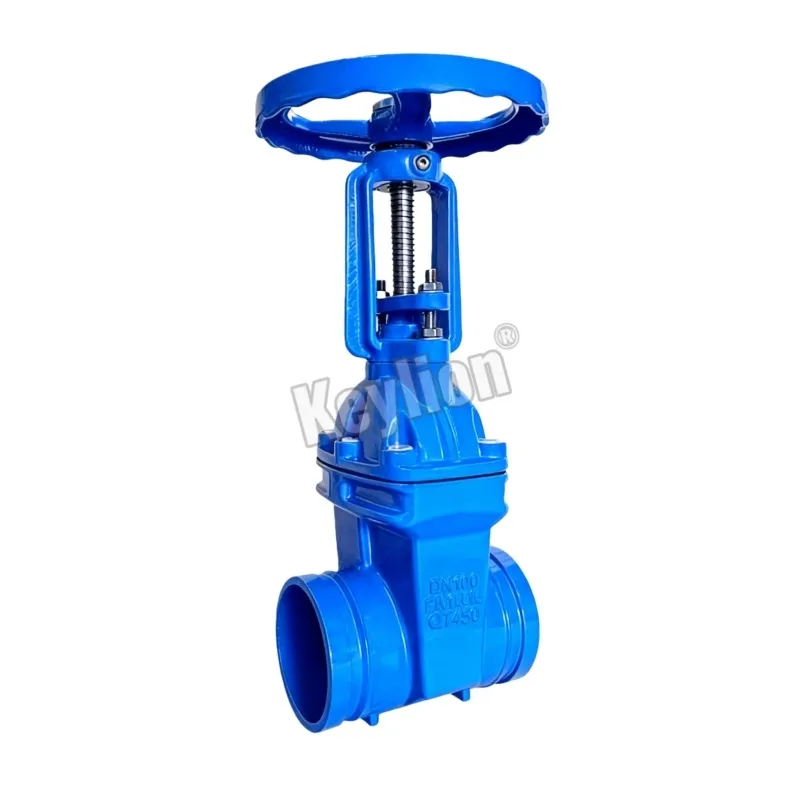
Our valves come with proper installation instructions and after – sales support. We have a team of experts who can help you with any issues you might encounter with our valves. Whether it’s installation advice or troubleshooting, we’re here to assist you.
Hydraulic Control Valve If you’re in the market for gate valves, don’t hesitate to reach out. We’re confident that our products can meet your needs and provide reliable performance. Contact us for more information about our gate valves and to start a procurement discussion. We’re looking forward to working with you!
References
- "Valve Handbook" by Valve Manufacturers Association
- Industry standards and guidelines on gate valve design and maintenance
Quanzhou Keylion Valve Co., Ltd.
We’re known as one of the most professional gate valve manufacturers and suppliers in China, also support customized service. We warmly welcome you to buy high quality gate valve made in China here from our factory. If you have any enquiry about cooperation, please feel free to email us.
Address: NO.17, JINYUAN, ZHENSHAN VILLAGE, NANAN CITY, FUJIAN PROVINCE
E-mail: sales@keylionvalve.com
WebSite: https://www.keylion-valves.com/
